The Blue Coconuts of Kalyani: When the Student Becomes the Raga
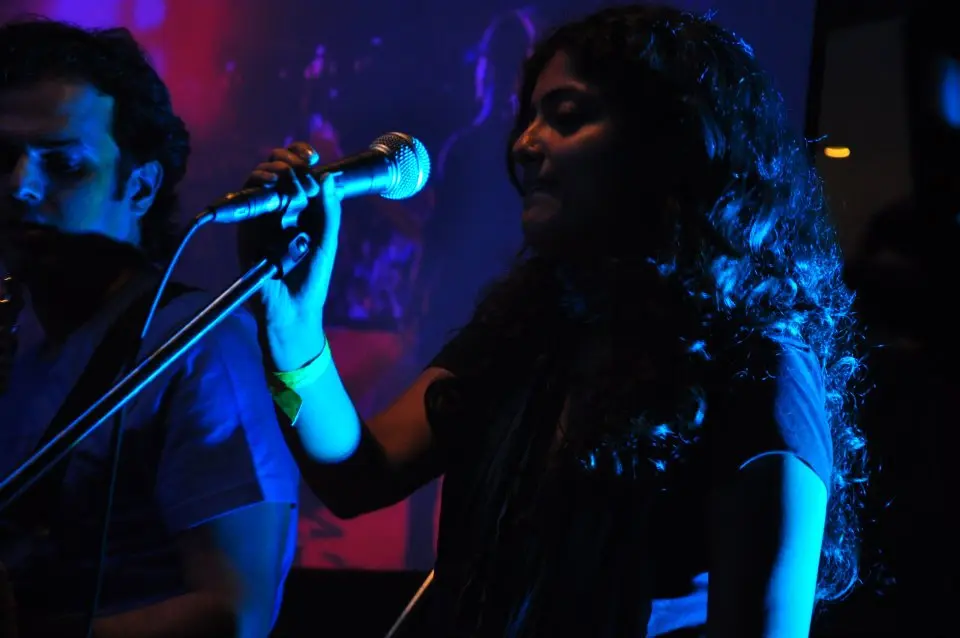
I have always navigated music through the architecture of the raga rather than the divinity of the lyrics. When I sing Kamalajadala, a beautiful composition in Raga Kalyani (or Yaman), my mind doesn’t immediately go to the heavens. I don’t feel the weight of the Sanskrit praises for Lord Krishna; instead, I feel the soaring highs and the grounding lows.
Admittedly, I have a soft spot for the lyrics for a very "corny" reason: the reference to "lotus-like eyes" reminds me of my husband, whose name means Lotus. To me, Kalyani has always been the sound of romance. It’s the yearning in Abhi Na Jao Chodkar—my absolute favorite—or the cool breeze of a setting sun- Jab deep jale aana (Chitchor).
But last week, my student Ishwarya taught me that my version of "feeling" isn’t the only map to a raga.
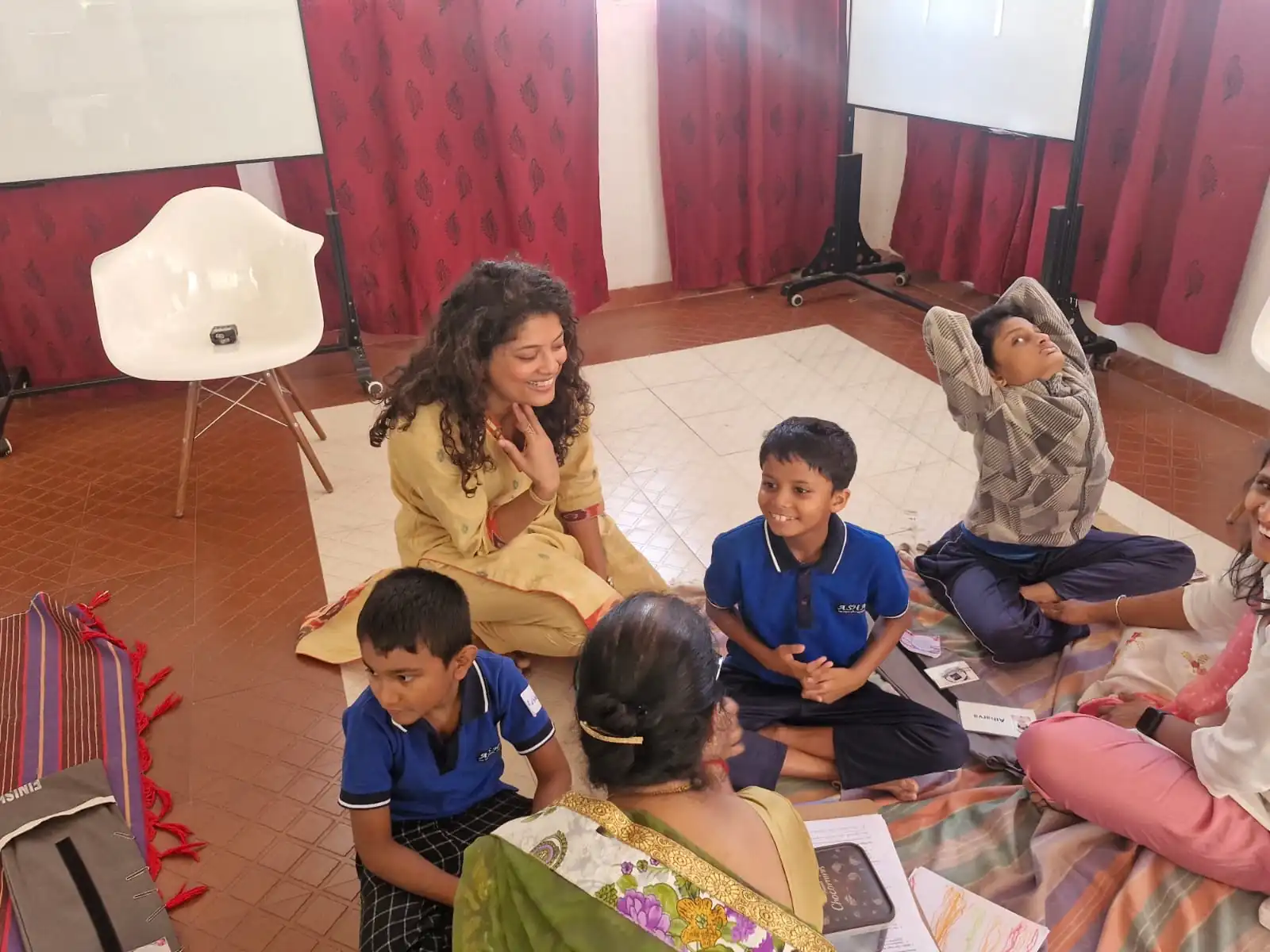
Ishwarya is fifteen. She is quiet, observant, and uses the creative arts as her primary outlet to the world. We were struggling with the "feel" of Kalyani. I tried everything. I explained its usage in Bollywood; we listened to Kesariya (her favourite song based on raag kalyani) on loop; we talked about love and longing. Nothing clicked. Finally, she looked at me and said simply, "I haven’t experienced love like that."
It was a reality check. How do you teach the "flavor" of a raga to someone who hasn't yet tasted the emotion you’re describing?
I told her to go home, grab her colors, and come back. The next session, I didn't lecture. I simply played a loop of Kalyani-based songs and told her to draw. She immediately went to work, her hands moving with a certainty that her voice hadn't yet found.
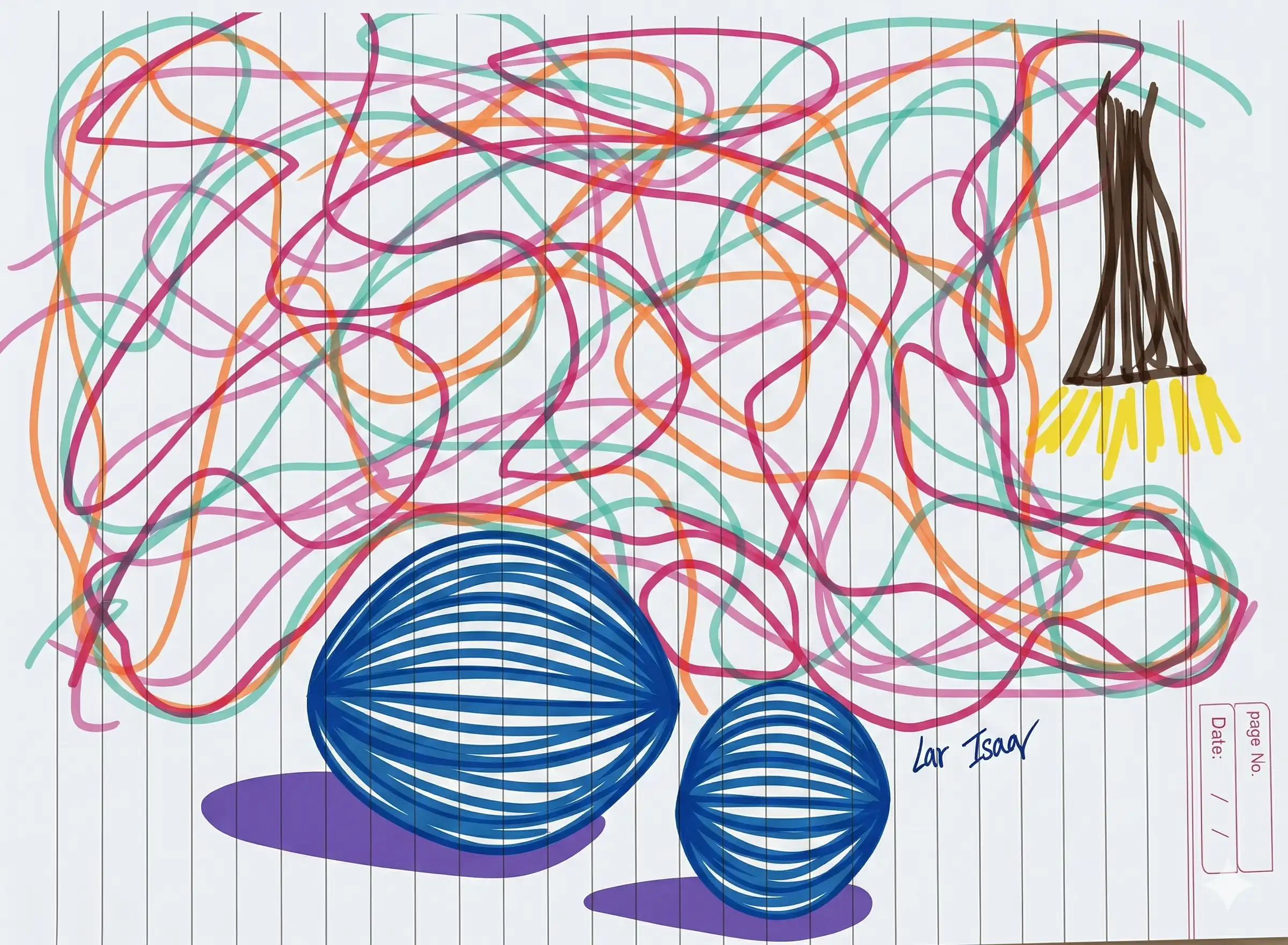
When she finished, she presented a painting that changed how I will hear this raga forever. She pointed to blue, rounded shapes.
"These blue 'coconuts' represent the melancholy in Kalyani," she explained. "It has heavy weight, so it's prominent. The warm tones in the back—the reds and oranges—are the varieties of love and longing. And the green? That’s the progression of the melody."
Then she pointed to a lamp in the background. "The lamp represents a warm hug. That’s what I felt while listening."
I sat there, floored. I have studied music for years, but I have never heard a more profound explanation of a raga. To her, Kalyani wasn’t a romantic hero or a deity; it was a complex "orchestra" of melancholy weighted by a warm hug.
This is the power of a student-centered, multidisciplinary approach. When we stop demanding that a child sees the world through our lens, they invite us into theirs. Ishwarya didn't just learn a raga that day; she redefined it for me. She reminded me that every child has an inner world waiting for a medium—whether it's a paintbrush or a Tanpura—to let the light out.
Kalyani is no longer just "lotus eyes" and old film songs to me. It’s now also a blue coconut and a warm hug.