The Philosophy of Zero
Growing up, I was a "good student," mostly because I lived in dread of the red ink. Those circles on my answer sheet felt like scars. For a while, I successfully chased the absence of those marks to please my parents and myself. But as life grew complex, so did I. I got lost trying to decide who I was supposed to be: the topper, the popular kid, the funny one? In the confusion of trying to be everything, I began to lose my grip.
The red marks returned, and with them came my father’s frequent warning: "You’re going to hit zero soon."
As I sat with the weight of that failure, my brother said something that shifted my entire world: "You know, 0% is still something, right?"
That thought became my anchor. It didn't magically fix my grades, but it gave me permission to stop fighting things I couldn't control. I stopped desperately trying to love subjects I hated. By accepting what I wasn't, I finally discovered what I was. Zero wasn’t a vacuum; it was the solid floor that allowed me to build a world of a manageable, honest size.
Why We Start at Lesson 0
At Artbeat, we don't start with Lesson 1. We start with Lesson 0.
In the world of education and social impact, there is a frantic rush for "results"—the blue ink on the page. Everyone wants to see the program in action immediately. But Lesson 1 without Lesson 0 is just noise.
Lesson 0 is about:
- The Context: Understanding the silence and stillness before the work begins.
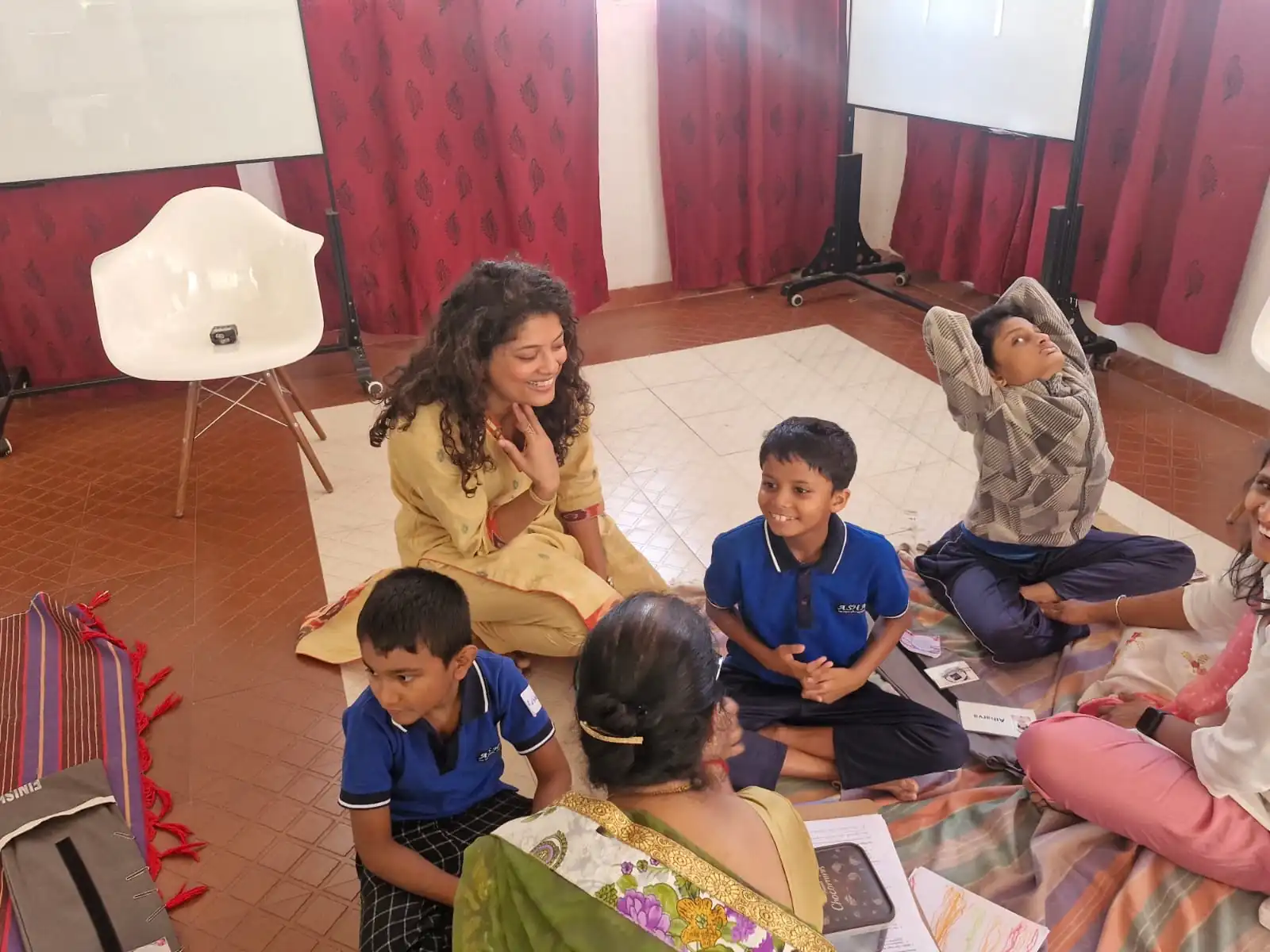
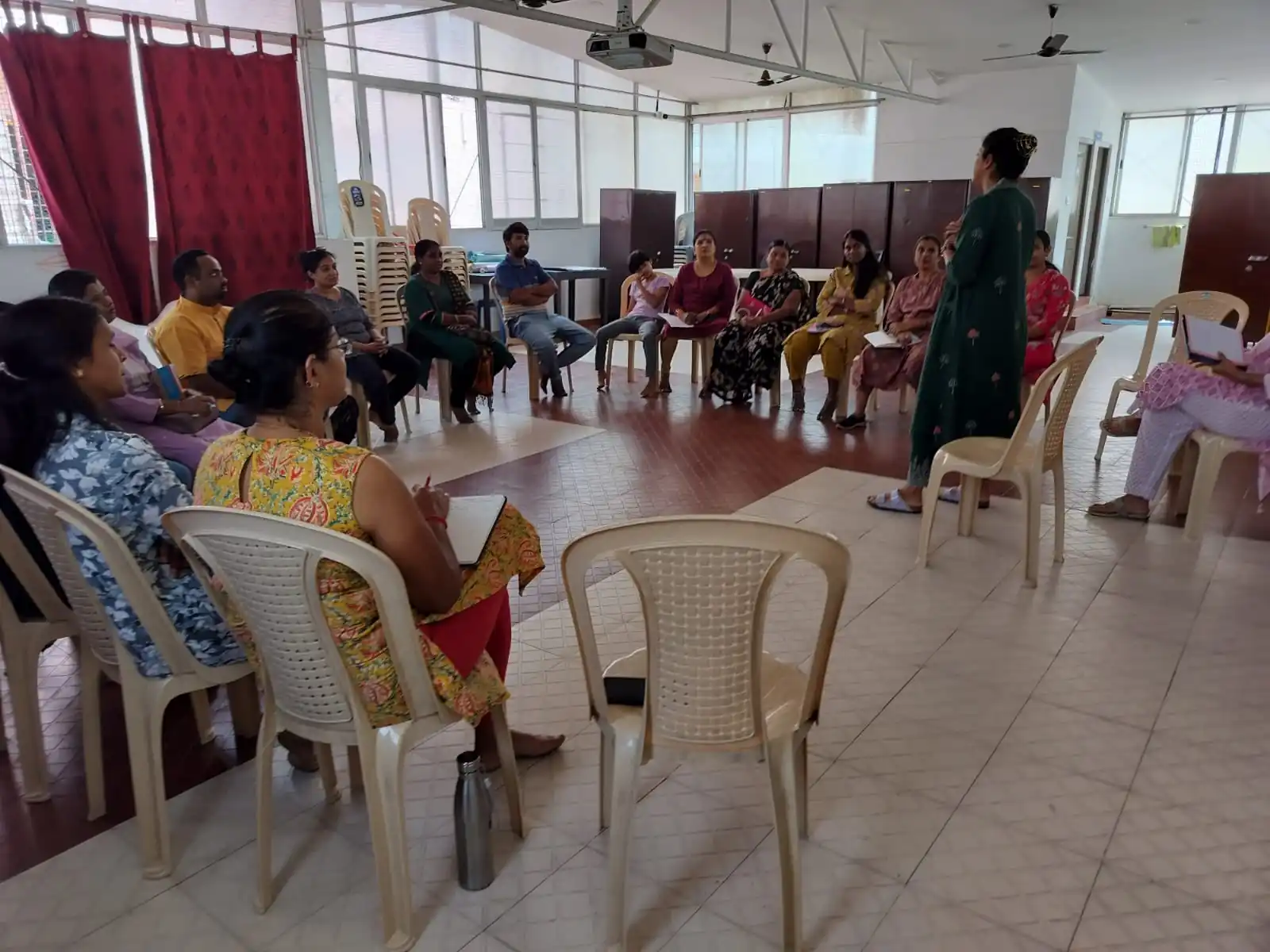
- The Stakeholders: We don't just look at the child; we look at the parents, the teachers, and the environment that holds them.
- The Baseline: Without a true zero, you cannot measure growth.
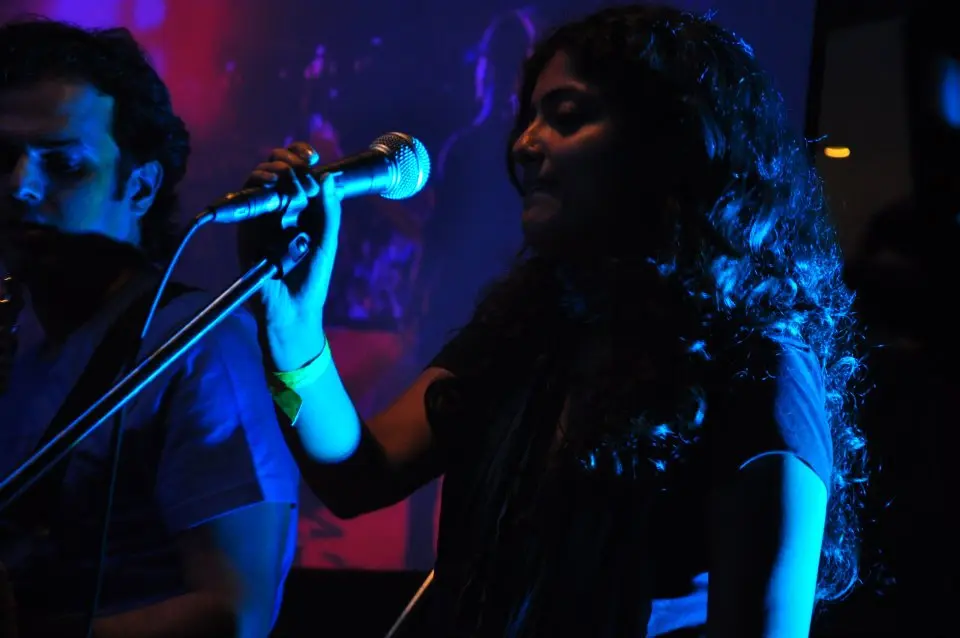
Before we teach music (Aaroh), play (Anand), or writing (Akshar), we must honor the silence that precedes them.
The Courage to be at Zero
Artbeat existed at "zero" for a long time before we officially registered. Those years in the social sector weren't wasted; they were the "Lesson 0" that added nuance to my vision. I realized that if I wanted this to be a Section 8 foundation that actually changes lives, I couldn't be afraid of the "red marks" of the real world—the critiques, the failures, and the data.
This philosophy drives our design. In our world:
- A child who gives no response is still communicating.
- A space with no sound speaks volumes.
- A community where you hear "nothing"—whether from stillness or chaos—is telling you exactly where to start.
Can we all take a moment to just listen? My brother was right: Zero is something. In fact, it’s the only place where you can truly begin.